

The Charter of the United Nations emphasizes that personnel who serve the Organization must do so with the highest standards of integrity. The United Nations rules and regulations, and its agreements with troop and police contributing countries, integrate expected standards of conduct for all civilian and uniformed personnel.
United Nations personnel
- Commit to representing the Organization with professionalism, respecting local laws, treating host country populations with respect and acting with impartiality, integrity, and respect for diversity.
- Pledge to uphold the Organization's reputation and, in the case of uniformed personnel, to their country's honor, by avoiding improper conduct, for example, committing sexual exploitation and abuse (SEA), sexual harassment, fraud, abuse of power.
Who we are
The United Nations has a dedicated office that works on matters related to conduct and discipline and handling allegations of misconduct.
The Under-Secretary-General for Management Strategy, Policy and Compliance oversees the conduct and discipline function for all United Nations Secretariat entities, including peacekeeping and special political missions also known as field missions. The Department of Management Strategy, Policy and Compliance (DMSPC) is responsible for enforcing United Nations policies on conduct in United Nations Secretariat entities including field missions. DMSPC works closely with key stakeholders, including the Department of Peace Operations, the Department of Peacebuilding and Political Affairs, the Office of the Special Coordinator on Improving United Nations response to SEA (OSCSEA) and Office of the Victims’ Rights Advocate (OVRA) and Member States.
Conduct and Discipline Service
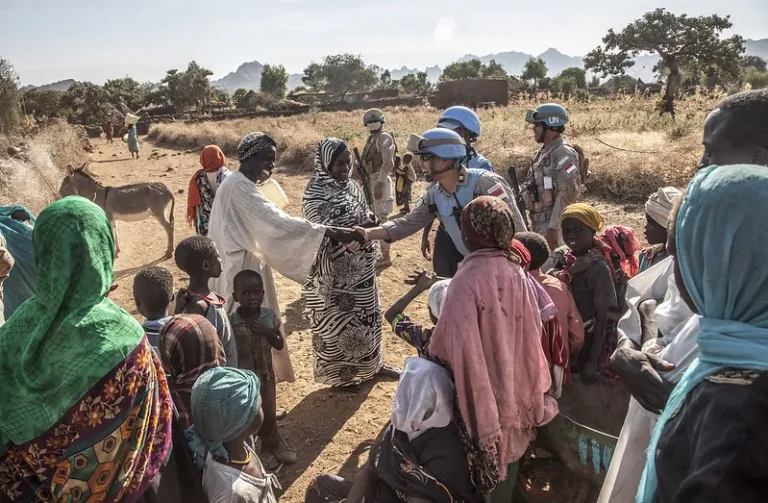
The Conduct and Discipline Service (CDS) works on all matters related to maintaining standards of conduct by United Nations personnel. CDS provides support to the United Nations’ leadership responsible for the conduct and discipline of all Secretariat personnel, whether civilian or military. It supports policy development, creation and delivery of training programs, and oversees the handling of misconduct allegations. CDS liaises with Member States on misconduct involving their uniformed personnel and advises on the implementation of prevention, enforcement, and assistance to victims of SEA.
For more information on the origin of the Conduct and Discipline function please see the Comprehensive report prepared pursuant to General Assembly resolution 59/296 (link) on sexual exploitation and sexual abuse, including policy development, implementation and full justification of proposed capacity on personnel conduct issues (A/60/862).
Conduct and Discipline Teams
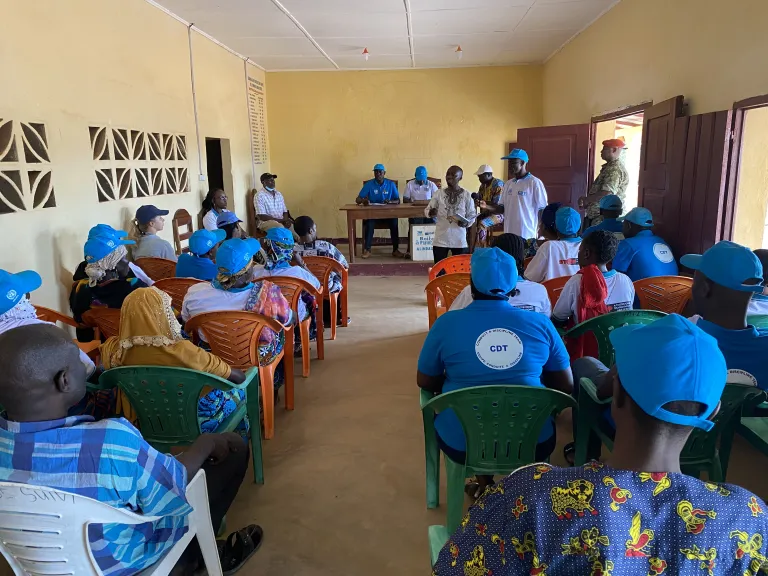
In peacekeeping and special political missions, Conduct and Discipline Teams (CDTs) support managing conduct and discipline. CDTs advise Heads of Missions on conduct related issues and provide training on standards of conduct. CDTs develop strategies to deter violations, engage with local communities, and coordinate assistance for victims of sexual exploitation and abuse, including with Senior Victim Rights Officers where they are present. They also assess misconduct allegations and refer them for investigation.
Conduct and Discipline Focal Points
Conduct and Discipline Focal Points (CDFPs) support Heads of non-mission Secretariat entities, in managing matters of conduct and discipline. CDFPs assist senior officials in handling complaints, implementing policies, and ensuring that all civilian personnel which includes international and national staff members understand the rules and regulations of the Organization and expected standards of conduct.